Arnaud Marguin — Osteopath D.O.
Graduate of the Geneva School of Osteopathy (2006)
Registered with the General Osteopathic Council (GOsC) — no. 8938
Member of the Registre des Ostéopathes de France (ROF)
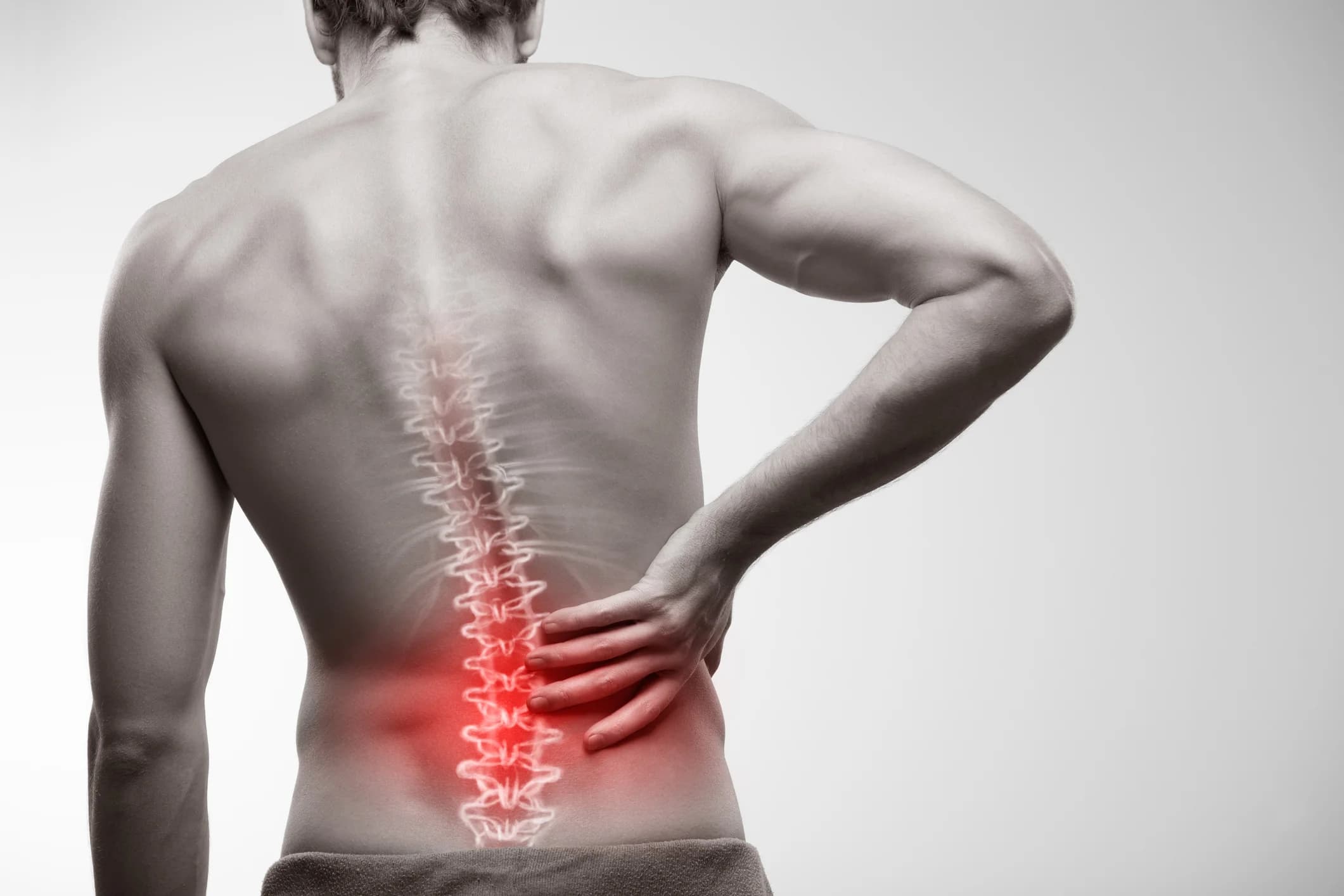
Osteopathic treatment for low back pain
Lower back pain is one of the most common reasons for consulting an osteopath. It refers to any pain localised in the lumbar region, that is, the lower part of the back between the last ribs and the pelvis. Lower back pain can be acute (lumbago), subacute or chronic, and it affects a large majority of the population at some point in their lives. Osteopathy offers a manual approach aimed at identifying and treating the mechanical causes of these complaints.
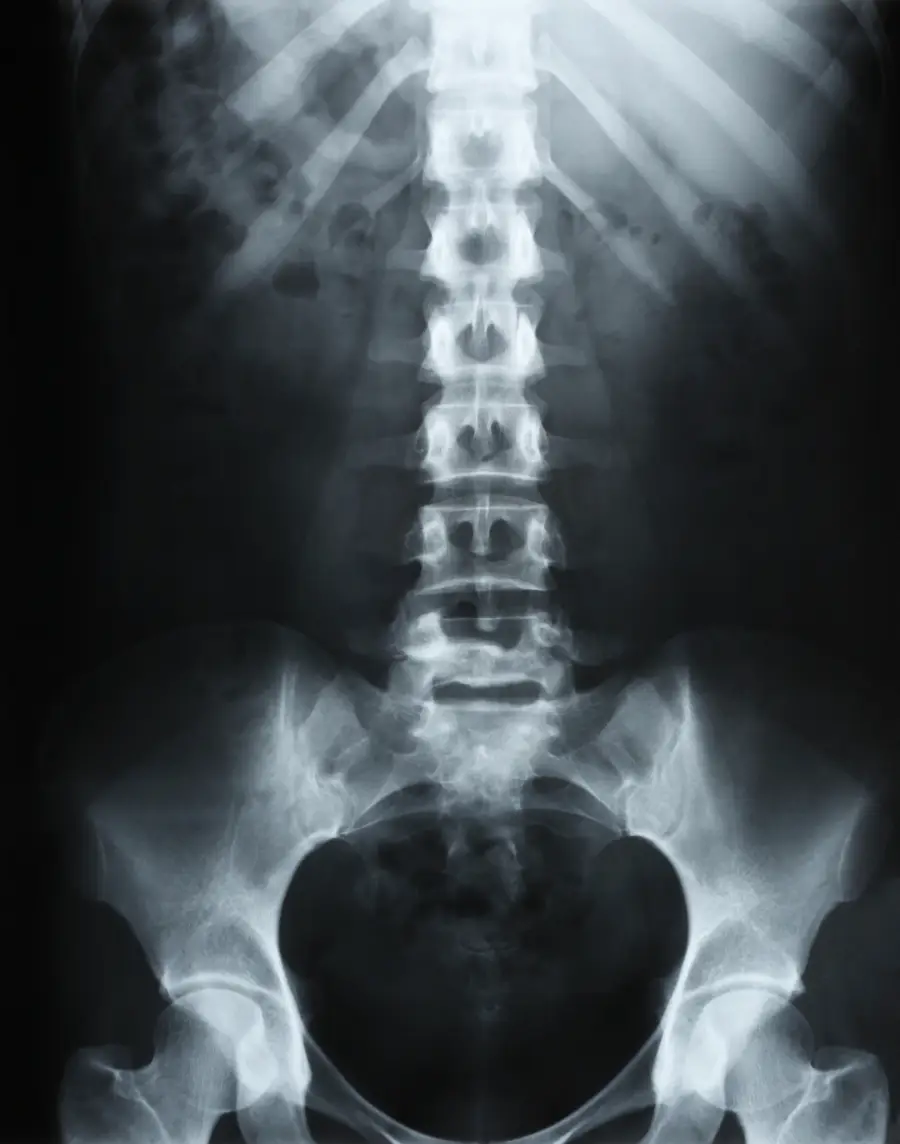
Lower back pain can manifest in different ways depending on its origin and severity:
Lower back pain rarely results from a single cause. It is most often the consequence of a combination of mechanical, postural and functional factors:
During the consultation, the osteopath carries out a comprehensive assessment to understand the origin of the lower back pain. The clinical interview covers the history of the pain, circumstances of onset, aggravating and relieving factors, and the patient's medical and injury history.
The physical examination includes a global postural evaluation, mobility tests of the lumbar spine, pelvis, hips and thoracic spine, as well as neurological tests if radiation into the lower limb is reported. This examination allows the osteopath to establish an osteopathic diagnosis and define an appropriate treatment plan.
If the examination reveals signs requiring additional medical opinion (suspected serious pathology, neurological deficit, atypical symptoms), the patient is referred to the appropriate healthcare professional.
Osteopathic treatment of lower back pain aims to restore mobility of the involved structures, release muscular tension and re-establish overall mechanical balance. Several types of technique may be employed:
The osteopath does not limit treatment to the painful area. The entire body is assessed to identify chains of compensation that may contribute to the lower back pain. Treatment may therefore include work on the lower limbs (ankles, knees, hips), the diaphragm, the rib cage or the cervical spine.
Personalised advice is given at the end of the consultation: strengthening exercises, stretches, ergonomic recommendations for the workstation and guidance on physical activity. If necessary, the patient is referred to a doctor, physiotherapist or other healthcare professional to complement the treatment.
The number of sessions required varies according to the clinical context. For acute lower back pain (lumbago), 1 to 2 sessions are generally sufficient to relieve symptoms and restore mobility. For chronic or recurrent lower back pain, 2 to 3 sessions may be needed, spaced several weeks apart, to address the underlying causes in depth and stabilise the results. Regular follow-up may be recommended for patients with persistent risk factors.
📍 Osteopathy practice
9 Rue du Regard, 75006 Paris
🚇 Metro: Saint-Placide / Rennes / Sèvres-Babylone
A first consultation does not commit you to any treatment plan. We take stock, I examine you, and we decide the next step together.
For a quick slot, calling is the simplest.
Coming from far away? Call before you travel, so we can check together that the trip is worth it.
4.9/5 on Google, 29 reviews · 20 years in practice · GOsC registered (UK)
The information on this page is for informational purposes only.
It does not replace a medical consultation.
Arnaud Marguin — Osteopath D.O.
Graduate of the Geneva School of Osteopathy (2006)
Registered with the General Osteopathic Council (GOsC) — no. 8938
Member of the Registre des Ostéopathes de France (ROF)