Arnaud Marguin — Osteopath D.O.
Graduate of the Geneva School of Osteopathy (2006)
Registered with the General Osteopathic Council (GOsC) — no. 8938
Member of the Registre des Ostéopathes de France (ROF)
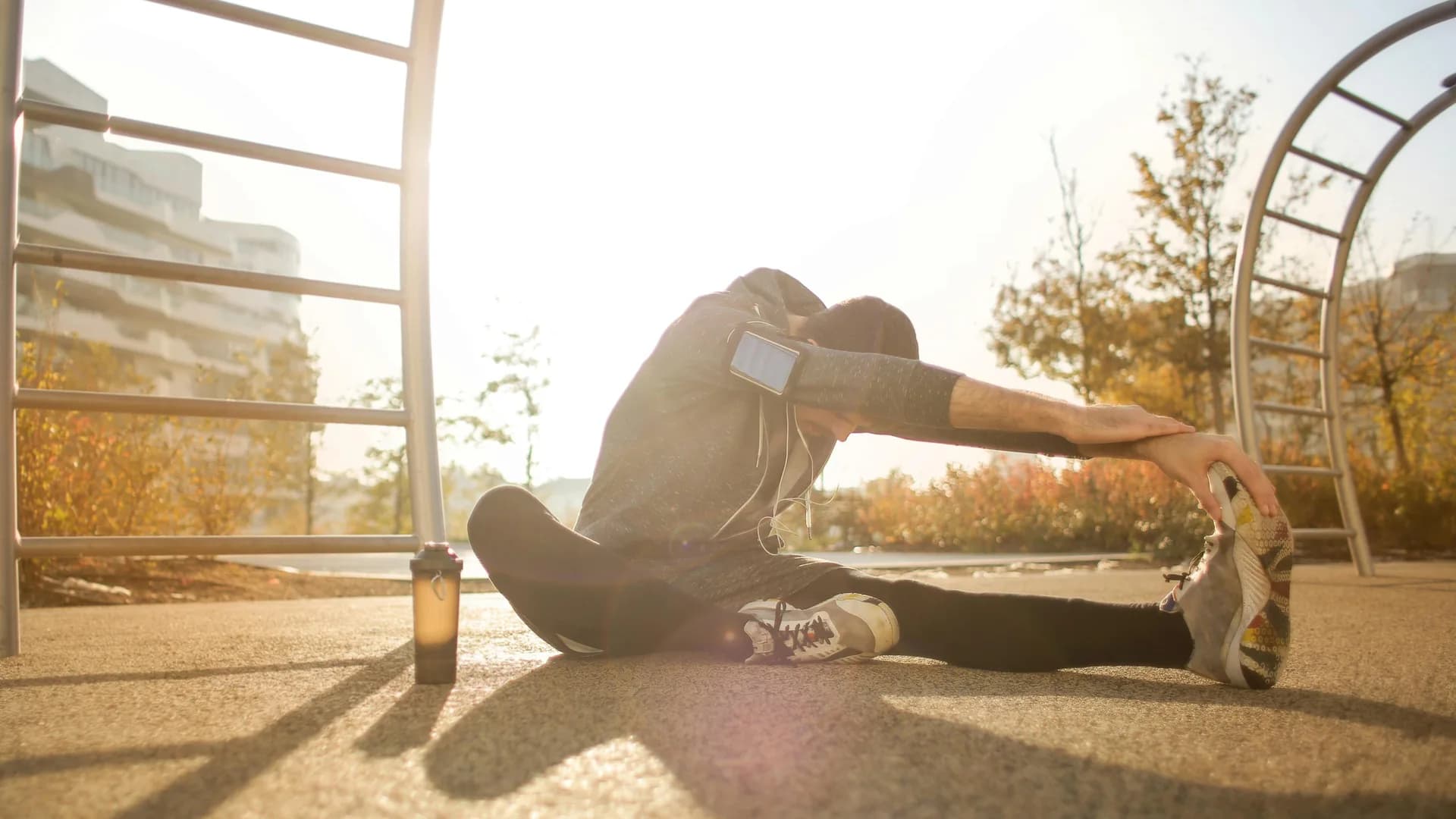
Tendinopathy treatment
The term "tendinitis" is commonly used to describe any tendon pain. In clinical practice, the term tendinopathy is now preferred, encompassing the various conditions affecting tendons: acute inflammation (tendinitis in the strict sense), chronic degeneration (tendinosis) and synovial sheath involvement (tenosynovitis).
Tendinopathies are common in athletes but also in sedentary individuals, due to repetitive strain or poor posture. They are a regular reason for consulting an osteopath.
Osteopathy can contribute to the management of tendinopathies by addressing mechanical and biomechanical factors:
The practice also has a shock wave therapy (ESWT) device, with documented efficacy for certain chronic tendinopathies (plantar fasciitis, Achilles tendinopathy, epicondylitis, calcifying shoulder tendinitis).
2 to 4 osteopathic sessions are generally recommended. If shock wave therapy is indicated, a protocol of 3 to 5 sessions is proposed as a complement. Progress is monitored and treatment adapted according to clinical response.
The instinct with a painful tendon is to stop entirely. It rarely works. A tendon deprived of load loses its capacity to bear load, so the pain returns as soon as activity resumes — often sooner than before.
What tendons respond to is progressive, controlled loading: enough to stimulate the tissue, not enough to overwhelm it. That principle underlies current tendinopathy management, and it is why treatment combines manual work with a graded return rather than a period of immobilisation.
A useful marker: mild pain during activity that settles within twenty-four hours is generally acceptable and does not indicate damage. Pain that builds during the session, or persists the following day, means the load is still too high.
Shock wave therapy, available at the practice, can be added when pain resists several weeks of well-conducted loading — particularly for the Achilles tendon, the plantar fascia and tennis elbow.
📍 Osteopathy practice
9 Rue du Regard, 75006 Paris
🚇 Metro: Saint-Placide / Rennes / Sèvres-Babylone
A first consultation does not commit you to any treatment plan. We take stock, I examine you, and we decide the next step together.
For a quick slot, calling is the simplest.
Coming from far away? Call before you travel, so we can check together that the trip is worth it.
4.9/5 on Google, 29 reviews · 20 years in practice · GOsC registered (UK)
The information on this page is for informational purposes only.
It does not replace a medical consultation.
Arnaud Marguin — Osteopath D.O.
Graduate of the Geneva School of Osteopathy (2006)
Registered with the General Osteopathic Council (GOsC) — no. 8938
Member of the Registre des Ostéopathes de France (ROF)