Arnaud Marguin — Osteopath D.O.
Graduate of the Geneva School of Osteopathy (2006)
Registered with the General Osteopathic Council (GOsC) — no. 8938
Member of the Registre des Ostéopathes de France (ROF)
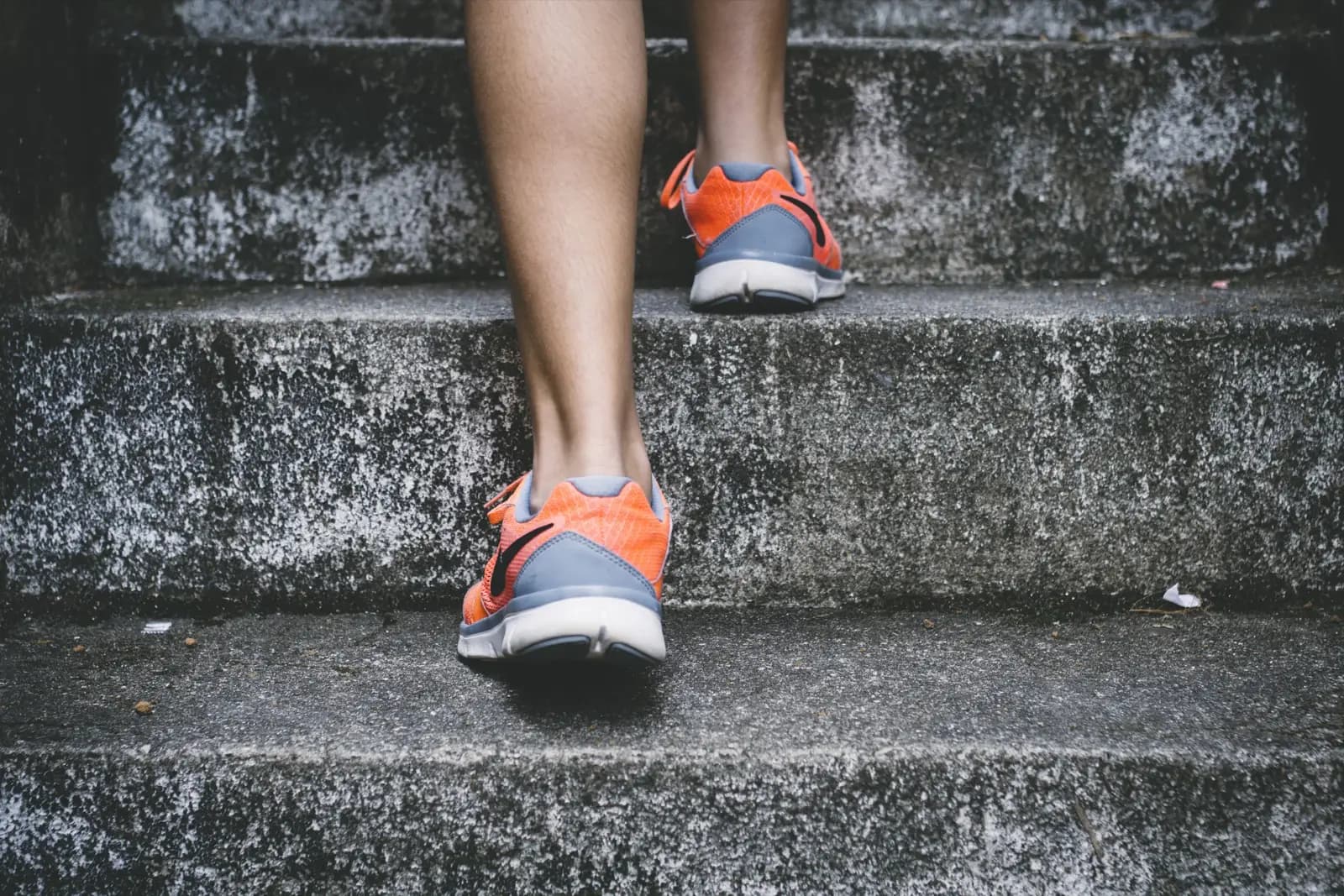
Sports osteopathy and injury prevention
Sporting activity, whether recreational or competitive, places significant mechanical demands on the body. When these demands exceed the body's capacity to adapt, pain, tension or injury may develop. Sports osteopathy is intended for all athletes who seek manual treatment of their musculoskeletal pain, improved recovery or support in injury prevention.
A number of situations justify an osteopathic consultation in the context of sporting practice:
The consultation begins with a thorough clinical interview. The osteopath gathers information about the patient's sporting practice: type of sport, training frequency and intensity, injury history, athletic goals and any recent changes in training load.
A comprehensive physical examination follows, including a global postural assessment, joint mobility tests, muscular tests and, if necessary, specific orthopaedic tests. This examination identifies areas of restricted mobility, postural imbalances and muscular tensions that may be contributing to the symptoms.
The manual treatment is then tailored to the patient's needs. It may combine different techniques: joint mobilisations, myofascial techniques, soft tissue work, assisted stretching and functional techniques. Each treatment is individualised according to the osteopathic diagnosis.
At the end of the session, personalised advice is provided: stretching or strengthening exercises, postural modifications, recommendations on training load management and recovery strategies.
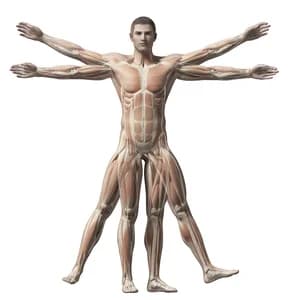
Sports osteopathy is grounded in a detailed understanding of the biomechanical demands specific to each discipline. The sporting gesture engages particular muscular and articular chains, and a dysfunction within these chains can have repercussions at a distance.
For instance, restricted ankle mobility can alter the mechanics of the knee and hip, predisposing runners to tendinopathies or lower back pain. Similarly, thoracic spine tension can limit shoulder range of motion in swimmers or tennis players.
The osteopathic approach does not confine itself to treating the symptom. It seeks to identify and address the underlying causes, taking into account the entire body and the specific requirements of the patient's sport. A global postural approach is often integrated into the treatment plan, with the aim of establishing a mechanical balance conducive to performance and injury prevention.
The practice at 9 Rue du Regard, in the 6th arrondissement of Paris, is equipped with complementary tools for the extended care of athletes:
These tools complement manual osteopathic treatment when the clinical situation requires it. Their use is always integrated within a comprehensive, individualised treatment plan.
The osteopath works in coordination with other professionals involved in the athlete's care (sports physician, physiotherapist, podiatrist, strength and conditioning coach) to ensure coherent and complete management.
Running accounts for a large share of the sports consultations here. Arnaud Marguin has been certified by La Clinique du Coureur since 2017, a training centred on training-load management and prevention rather than treating the sore spot.
The starting point is nearly always the same: the injury did not come from a movement, it came from more mechanical load than the tissue could absorb. Volume increased too quickly, a change of surface, a return after a break, new shoes, added speed work. That is why the first questions concern the last six weeks of training, not the pain.
The most common complaint. Either pain at the front, around or under the kneecap, worse going downhill and after sitting; or a sharp point on the outer side that appears after a consistent distance. In both cases the knee is rarely the culprit — it takes what happens at the hip above and the foot below.
Diffuse pain along the inner shin that appears early in a run and eases off usually reflects strain where muscle attaches to bone. A precise, pinpoint pain, reproducible on a square centimetre and present at rest, is different: that suggests a stress fracture and needs imaging, not manual treatment.
Recognisable by morning stiffness — the first steps hurt, then it eases. It responds badly to complete rest, which weakens the tendon, and well to progressive loading. Shock wave therapy at the practice can be added when pain resists.
Heel pain, worst on the first steps of the morning, easing after a few minutes and returning by evening. Treatment combines local work, ankle mobility — often restricted — and a review of training progression.
Two symmetrical mistakes: going back to the old volume too soon, or waiting for pain to vanish completely before running at all.
📍 Osteopathy practice
9 Rue du Regard, 75006 Paris
🚇 Metro: Saint-Placide / Rennes / Sèvres-Babylone
A first consultation does not commit you to any treatment plan. We take stock, I examine you, and we decide the next step together.
For a quick slot, calling is the simplest.
Coming from far away? Call before you travel, so we can check together that the trip is worth it.
4.9/5 on Google, 29 reviews · 20 years in practice · GOsC registered (UK)
The information on this page is for informational purposes only.
It does not replace a medical consultation.
Arnaud Marguin — Osteopath D.O.
Graduate of the Geneva School of Osteopathy (2006)
Registered with the General Osteopathic Council (GOsC) — no. 8938
Member of the Registre des Ostéopathes de France (ROF)