Arnaud Marguin — Osteopath D.O.
Graduate of the Geneva School of Osteopathy (2006)
Registered with the General Osteopathic Council (GOsC) — no. 8938
Member of the Registre des Ostéopathes de France (ROF)
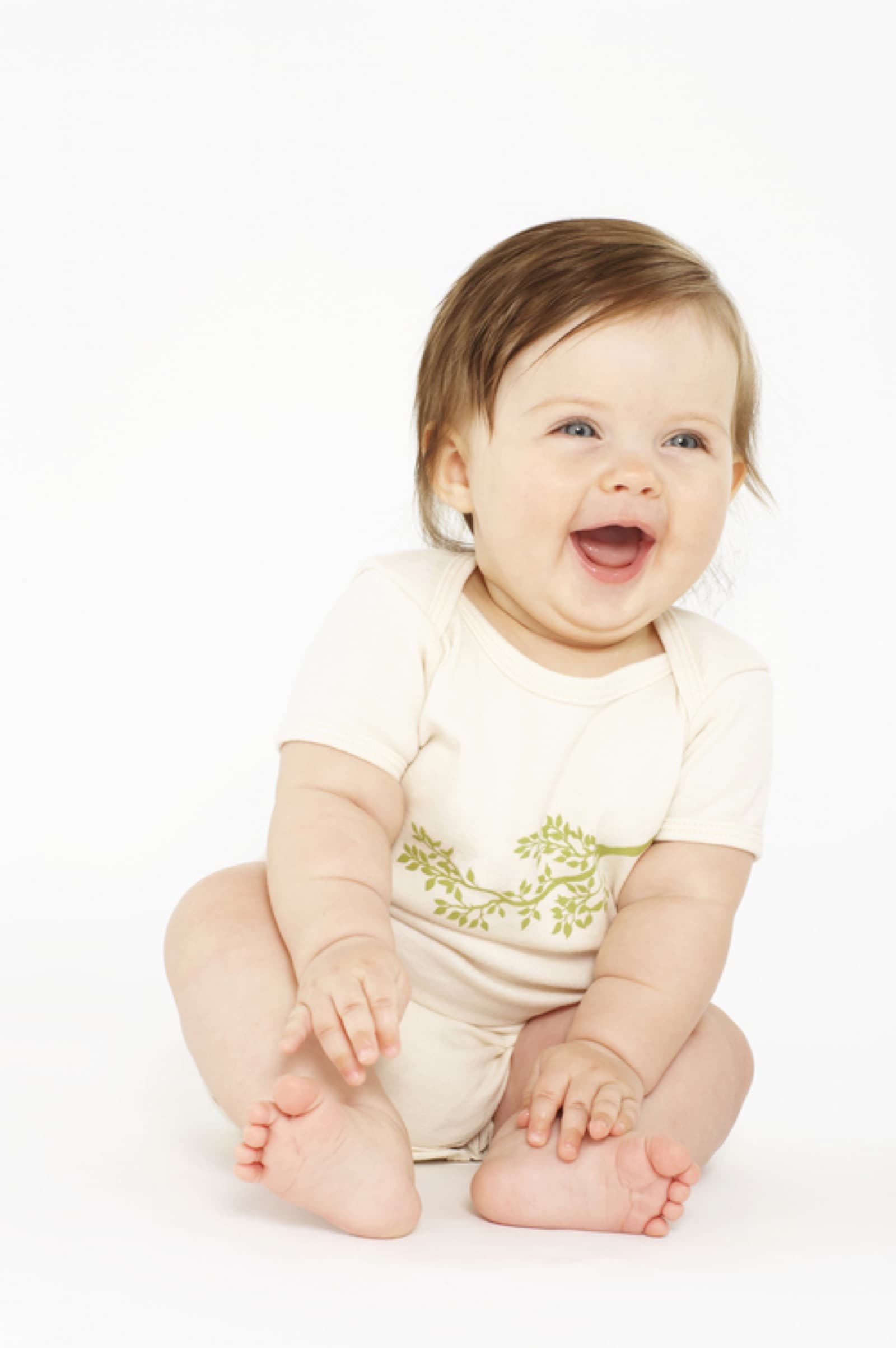
Paediatric osteopathy
Paediatric osteopathy is a gentle, non-invasive form of manual therapy adapted specifically for newborns, infants and young children. The birth process, whether vaginal or by caesarean section, involves considerable mechanical forces that can leave subtle tensions or restrictions in the baby's body. Osteopathic assessment and treatment can help to identify and address these early mechanical dysfunctions, supporting the infant's comfort and development.
Arnaud Marguin holds a specialist certification in paediatric osteopathy (OSTEONAT, 2019), ensuring that the techniques used are evidence-informed and specifically adapted to the fragile physiology of newborns and infants. All techniques employed are extremely gentle — using no more than a few grams of pressure — and are performed with the utmost care for the baby's comfort.
An osteopathic assessment of a newborn is typically recommended within the first weeks of life, particularly following a difficult or instrumental delivery (forceps, vacuum extraction), prolonged labour, premature birth or caesarean section.
Parents commonly bring their babies for an osteopathic consultation for the following reasons:
Digestive complaints are among the most common reasons for osteopathic consultation in infants:
Positional plagiocephaly has become increasingly common since the adoption of back-sleeping recommendations. The condition manifests as a flattening of one side of the skull, often accompanied by a positional preference (the baby consistently turns the head to one side). If left unaddressed, it can progress and become more difficult to correct as the child grows.
Osteopathic treatment of plagiocephaly involves gentle cranial techniques to encourage more symmetrical skull growth, combined with cervical treatment to address any associated torticollis. The osteopath also provides parents with positioning advice and tummy-time strategies to complement the treatment.
KISS syndrome (Kinematic Imbalance due to Suboccipital Strain) refers to a postural asymmetry in infants attributed to strain at the base of the skull and upper cervical spine. It can manifest as a persistent head tilt, asymmetric body posture, feeding difficulties on one side and sleep problems. Gentle cranial and cervical osteopathic techniques can help to address the underlying restrictions.
The consultation begins with a detailed interview with the parents, covering the pregnancy, delivery, feeding history and any concerns about the baby's development or behaviour. The osteopath then performs a gentle physical examination, assessing the baby's head shape, cervical mobility, overall posture and muscular tone.
Treatment is carried out with the baby in a comfortable position, often on the parent's lap or on the treatment table. The techniques used are extremely gentle and typically well tolerated. Sessions usually last 30 to 45 minutes.
Depending on the condition, 1 to 3 sessions are usually sufficient. The osteopath may recommend follow-up assessments to monitor progress, particularly for plagiocephaly or persistent torticollis.
Worth answering plainly, because a great deal is written about this.
The common reasons for consulting are mechanical: a marked head-turning preference, postural asymmetry, difficulty feeding on one side, or unsettledness following a difficult birth — instrumental delivery, very long or very fast labour.
On those, treatment consists of gentle mobilisation suited to a very small child. No forced manipulation, no abrupt technique: the pressure used is no more than you would apply to a closed eyelid.
To be straightforward: the research on infant osteopathy is limited and of uneven quality. For colic, reviews suggest a possible effect but on small, low-powered studies. For sleep and digestion the evidence is weaker still.
That does not mean nothing happens. It means an honest practitioner will not promise a result, and will tell you after two sessions if nothing has changed rather than booking a third.
On mechanical presentations — asymmetry of rotation, positional torticollis — clinical experience is more solid and improvement is usually quick.
There is no minimum age, provided the discharge paediatric examination was normal. In practice most consultations happen between two weeks and three months. One or two sessions are enough in most cases; beyond three without change, the diagnosis deserves rethinking.
Some signs need medical assessment, and an osteopathy appointment must never delay it: fever, an unusually floppy or hard-to-wake baby, repeated or projectile vomiting, faltering weight gain, a head that stays turned one way despite everything, worsening flattening of the skull, or crying that is different from usual.
The practice shares premises with general medicine, which makes a medical opinion quick to arrange.
Infant consultations fall under the practice's perinatal rate: €60, against €100 for a standard consultation. Not reimbursed by French social security; an invoice is issued, and most private policies cover part of it under complementary medicine.
📍 Osteopathy practice
9 Rue du Regard, 75006 Paris
🚇 Metro: Saint-Placide / Rennes / Sèvres-Babylone
A first consultation does not commit you to any treatment plan. We take stock, I examine you, and we decide the next step together.
For a quick slot, calling is the simplest.
Coming from far away? Call before you travel, so we can check together that the trip is worth it.
4.9/5 on Google, 29 reviews · 20 years in practice · GOsC registered (UK)
The information on this page is for informational purposes only.
It does not replace a medical consultation.
Arnaud Marguin — Osteopath D.O.
Graduate of the Geneva School of Osteopathy (2006)
Registered with the General Osteopathic Council (GOsC) — no. 8938
Member of the Registre des Ostéopathes de France (ROF)