Arnaud Marguin — Osteopath D.O.
Graduate of the Geneva School of Osteopathy (2006)
Registered with the General Osteopathic Council (GOsC) — no. 8938
Member of the Registre des Ostéopathes de France (ROF)
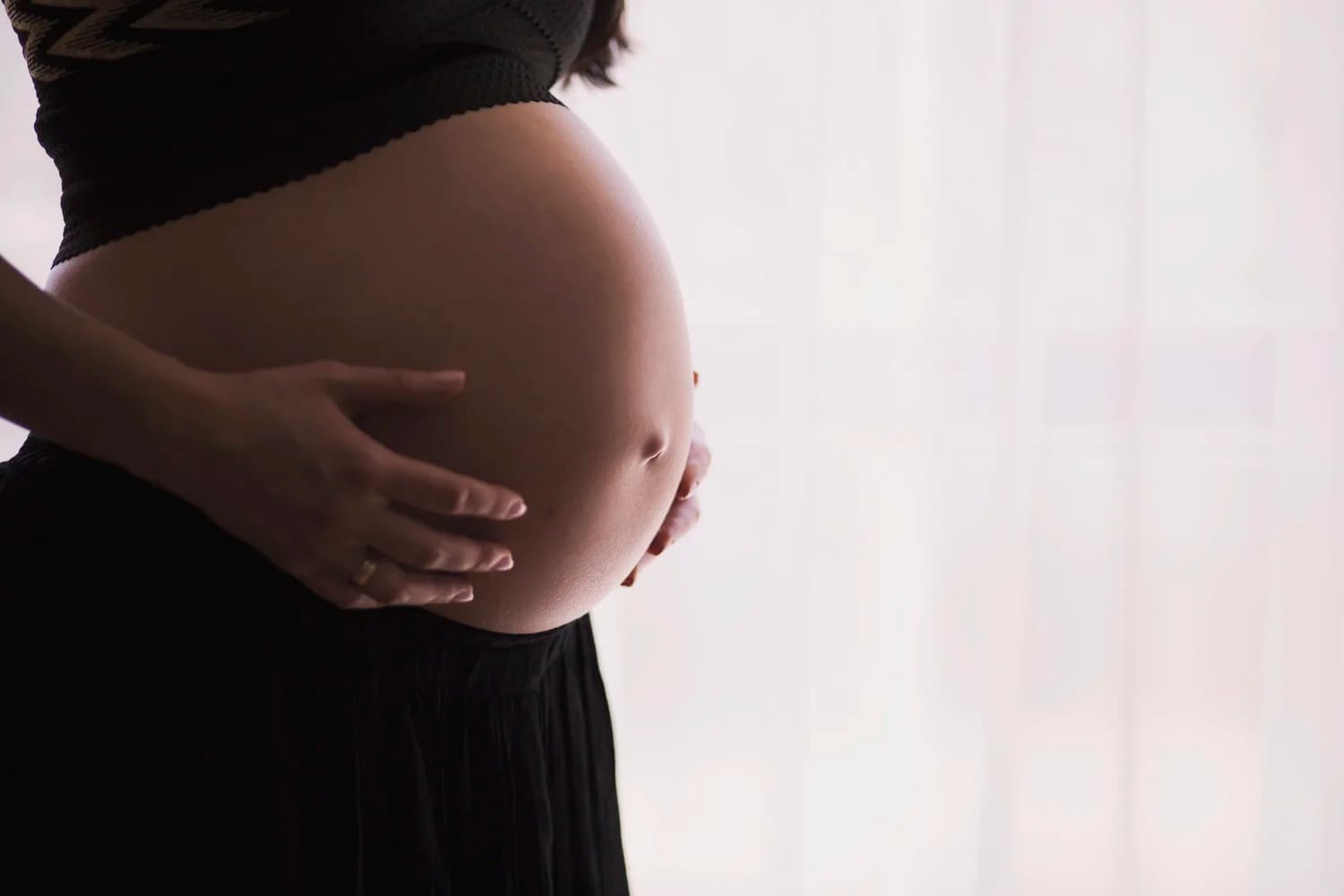
Pre and postnatal osteopathy
Pregnancy brings profound changes to the body. As the baby grows, the mother's posture shifts, ligaments become more lax under the influence of hormonal changes, and the musculoskeletal system must continuously adapt. These adaptations can give rise to a range of discomforts that osteopathy can help to manage through gentle, non-invasive manual techniques adapted to each stage of pregnancy.
The following complaints are frequently reported during pregnancy and may benefit from osteopathic care:
Osteopathic care during pregnancy is characterised by the use of gentle, non-forceful techniques. No high-velocity thrusts are employed. The treatment is adapted to the trimester and to the specific needs and comfort of the patient. Positioning during the session is carefully considered, using side-lying or semi-reclined positions as appropriate.
The osteopath evaluates the mobility of the spine, pelvis, ribcage and diaphragm. Treatment typically focuses on optimising pelvic alignment, releasing lumbar and thoracic tension, and ensuring adequate mobility of the diaphragm and ribcage. This global approach aims to support the body's ability to adapt to the evolving demands of pregnancy.
In the third trimester, osteopathic care can focus on preparing the body for delivery. Ensuring adequate mobility of the pelvis, sacrum and lumbar spine may contribute to more favourable conditions for childbirth. The osteopath assesses and addresses any restrictions that could affect pelvic mobility during labour.
Osteopathic treatment does not replace obstetric care. It is a complementary approach that works alongside the medical follow-up provided by the midwife and obstetrician.
The post-partum period brings its own set of musculoskeletal challenges. The body must readjust to its pre-pregnancy state, and the demands of caring for a newborn (breastfeeding postures, carrying, sleep deprivation) can contribute to new discomforts or reactivate pre-existing ones.
Common post-partum complaints that may benefit from osteopathic care include:
A post-partum osteopathic consultation is typically recommended 6 to 8 weeks after delivery, or earlier if significant pain is present. The osteopath works in coordination with the midwife and any pelvic floor rehabilitation programme that may be in progress.
During pregnancy, 1 to 3 sessions per trimester are usually sufficient to manage discomfort and support the body's adaptations. Post-partum, 1 to 2 sessions are generally adequate to address residual musculoskeletal issues and facilitate recovery. The frequency is always adapted to the individual patient's needs and response to treatment.
Yes, with adapted techniques and an ordinary set of precautions. No high-velocity manipulation of the lower back, no lying face down, positioning on the side with cushions from the second trimester onwards.
Practitioners generally prefer to wait until the end of the first trimester unless there is a pressing reason — a precaution rather than a known risk.
There is no fixed schedule, but some moments recur. The second trimester is when the pelvis starts adapting and the lower back curve increases — the period of first back and pelvic pain. The third trimester brings pubic pain, sciatic-type pain, difficulty sleeping and rib discomfort as the uterus rises.
After the birth, a session is useful once the immediate period has passed, usually from six to eight weeks. It works alongside pelvic floor rehabilitation, which is prescribed by your doctor or midwife, covered by French social security, and which osteopathy does not replace.
Two things combine. Relaxin loosens the pelvic ligaments in preparation for birth, increasing movement at the sacroiliac joints and the pubic symphysis. Meanwhile weight shifts forward, the lower back curve deepens, and the deep muscles compensate continuously.
The result takes recognisable forms: one-sided low back pain, pubic pain that makes walking and turning in bed difficult, or leg pain that is not always true sciatica.
Consultations during pregnancy and after birth fall under the practice's perinatal rate: €60, against €100 for a standard consultation. Not reimbursed by French social security; an invoice is issued for your insurer, and some policies include a separate maternity allowance.
📍 Osteopathy practice
9 Rue du Regard, 75006 Paris
🚇 Metro: Saint-Placide / Rennes / Sèvres-Babylone
A first consultation does not commit you to any treatment plan. We take stock, I examine you, and we decide the next step together.
For a quick slot, calling is the simplest.
Coming from far away? Call before you travel, so we can check together that the trip is worth it.
4.9/5 on Google, 29 reviews · 20 years in practice · GOsC registered (UK)
The information on this page is for informational purposes only.
It does not replace a medical consultation.
Arnaud Marguin — Osteopath D.O.
Graduate of the Geneva School of Osteopathy (2006)
Registered with the General Osteopathic Council (GOsC) — no. 8938
Member of the Registre des Ostéopathes de France (ROF)