Arnaud Marguin — Osteopath D.O.
Graduate of the Geneva School of Osteopathy (2006)
Registered with the General Osteopathic Council (GOsC) — no. 8938
Member of the Registre des Ostéopathes de France (ROF)
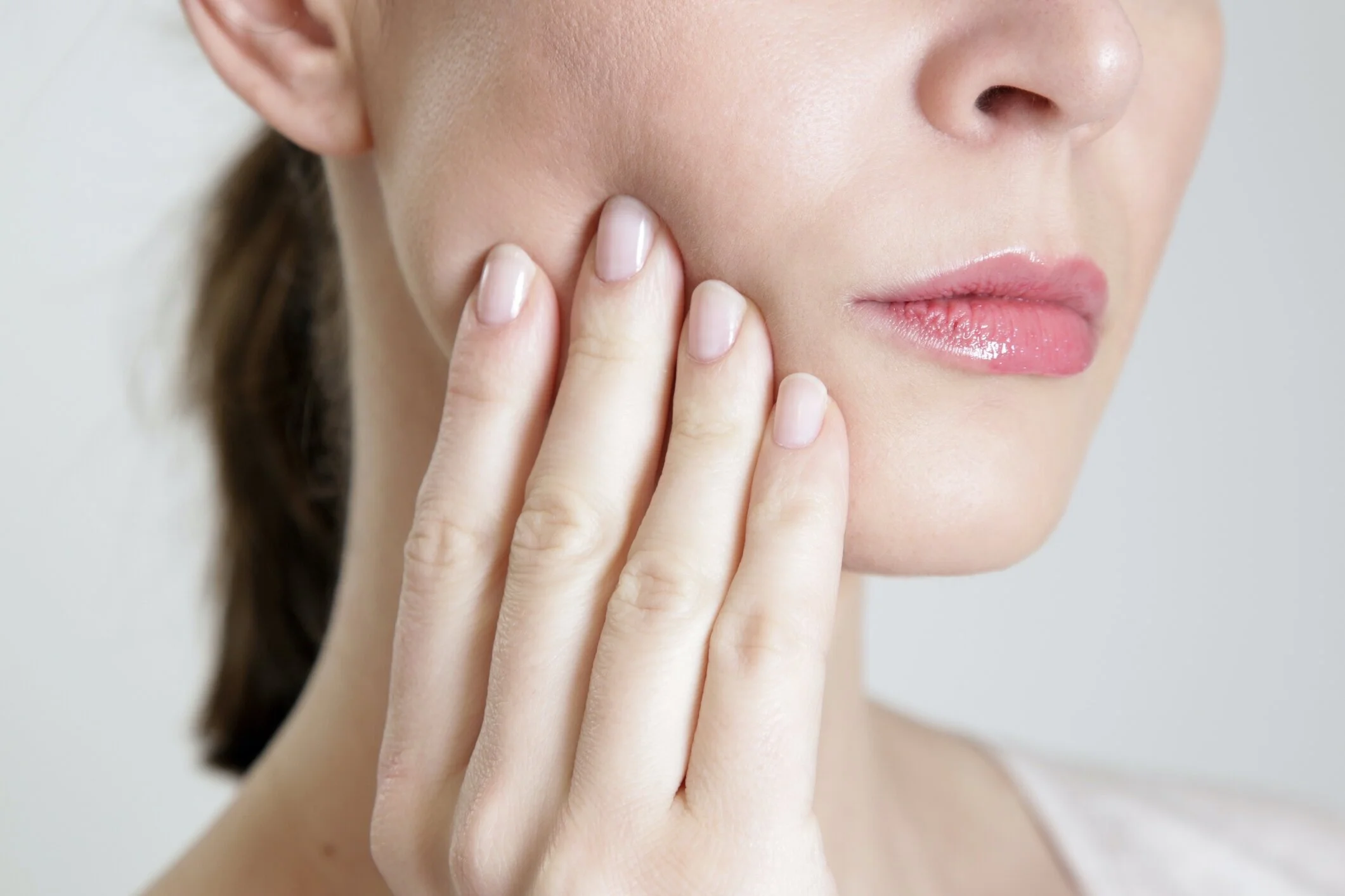
Temporomandibular joint dysfunction
SADAM (Syndrome Algo-Dysfonctionnel de l'Appareil Manducateur), also known internationally as Temporomandibular Disorder (TMD), is a condition affecting the temporomandibular joint (TMJ) and the muscles of mastication. It is characterised by pain in the jaw area, difficulty opening the mouth, clicking or popping sounds in the joint, and a range of associated symptoms that can significantly impact daily life. Osteopathy offers a complementary manual approach to the assessment and treatment of TMJ dysfunction.
TMD can manifest through a wide variety of symptoms, which may appear gradually or suddenly:
TMD is typically multifactorial. The following factors may contribute to its onset or persistence:
The osteopathic assessment of TMJ dysfunction begins with a detailed clinical interview covering the history of symptoms, dental history, stress levels and associated complaints. The physical examination includes assessment of jaw opening and tracking, palpation of the masticatory muscles (masseter, temporalis, pterygoids), assessment of the cervical spine, cranial bones and posture.
Treatment may include:
Bruxism is closely linked to TMD and is one of the most common contributing factors to jaw pain. The osteopath assesses the extent to which bruxism contributes to the patient's symptoms and works to reduce the muscular hyperactivity and mechanical strain associated with clenching or grinding. Coordination with the patient's dentist is often recommended, particularly if an occlusal splint (night guard) may be beneficial.
While most TMJ complaints respond well to conservative management, certain symptoms warrant prompt medical evaluation:
If any of these symptoms are present, the osteopath will refer the patient to the appropriate medical professional without delay.
This is the question most people arrive with, and the honest answer is that several professionals have a role. None of them covers the whole problem alone.
A sensible order: dentist first if there is dental wear or tooth pain, since the guard protects while everything else is worked on.
Sessions are 100 € each, with no separate charge for jaw work. An invoice is issued for private or expatriate insurance; French social security does not cover osteopathy for anyone, resident or not.
Most muscular jaw problems respond within three to four sessions, spread over six to eight weeks. Pain that has been present for years takes longer, and pain linked to ongoing stress tends to return if nothing changes on that front.
If three sessions produce no change at all, the diagnosis needs revisiting rather than the treatment repeating.
Many patients see an ENT specialist first, convinced the problem is in the ear. The examination comes back clear and the pain carries on.
The explanation is anatomical. The jaw joint sits a few millimetres in front of the ear canal, and both share innervation from the trigeminal nerve. An irritated joint therefore sends a signal the brain reads as coming from the ear — which is perfectly healthy.
The same mechanism explains blocked-ear sensations, intermittent tinnitus and pain running down towards the throat. That said, ear pain with hearing loss, fever or discharge is not TMJ and needs medical assessment.
Between sessions, a few things genuinely help:
📍 Osteopathy practice
9 Rue du Regard, 75006 Paris
🚇 Metro: Saint-Placide / Rennes / Sèvres-Babylone
A first consultation does not commit you to any treatment plan. We take stock, I examine you, and we decide the next step together.
For a quick slot, calling is the simplest.
Coming from far away? Call before you travel, so we can check together that the trip is worth it.
4.9/5 on Google, 29 reviews · 20 years in practice · GOsC registered (UK)
The information on this page is for informational purposes only.
It does not replace a medical consultation.
Arnaud Marguin — Osteopath D.O.
Graduate of the Geneva School of Osteopathy (2006)
Registered with the General Osteopathic Council (GOsC) — no. 8938
Member of the Registre des Ostéopathes de France (ROF)